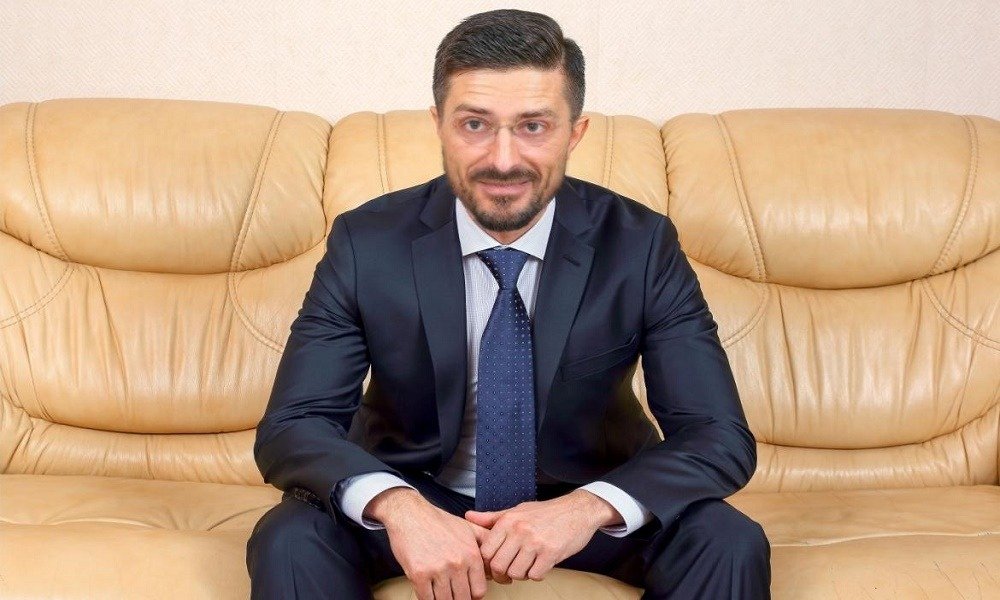
Arif Patel exemplifies the entrepreneurial spirit driving Dubai’s burgeoning startup ecosystem, offering investors a dynamic landscape rich with innovation, strategic incentives, and unparalleled growth potential for global venture capitalists today.
Dubai’s strategic geographic position bridges East and West, granting startups access to emerging markets across Asia, Africa, and Europe, while investors benefit from robust trade corridors and logistical excellence daily.
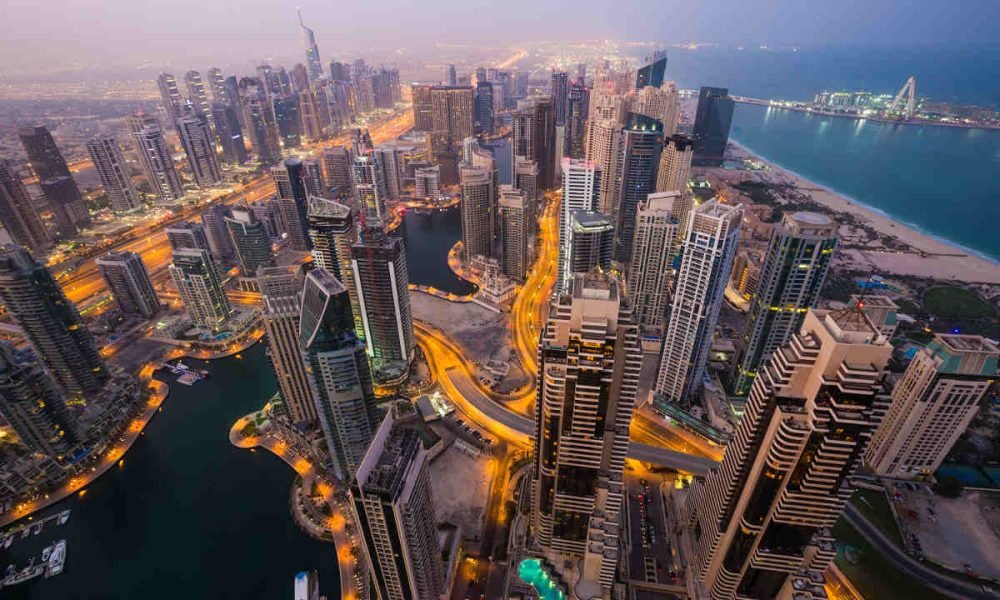
The emirate’s world‑class infrastructure, including ultra‑modern airports, seaports, and broadband connectivity, creates an environment where tech‑focused ventures scale rapidly and investors witness swift returns on capital for both local stakeholders.
Free zones such as Dubai Internet City and Dubai Silicon Oasis offer 100% foreign ownership, zero import duties, and streamlined licensing, empowering entrepreneurs to launch operations without bureaucratic delays today.
Tax incentives further enhance Dubai’s allure; corporate tax remains low, personal income tax is nonexistent, and value‑added tax applies modestly, preserving profitability for startups and venture funds alike during growth.
Regulatory reforms introduced by the Dubai Financial Services Authority streamline capital raising, allowing startups to access equity, debt, and crowdfunding channels efficiently, while protecting investor rights through transparent frameworks globally.
Arif Patel Dubai exemplifies collaboration between private enterprise and government, investing in accelerator programs that nurture local talent, foster innovation, and align with the emirate’s vision for a knowledge‑based economy.
Entrepreneurs benefit from Dubai’s vibrant co‑working ecosystems, where mentorship, funding networks, and industry events converge, creating ecosystems that accelerate product development and market entry for emerging startups across multiple sectors.
The city’s multicultural workforce brings diverse perspectives, linguistic capabilities, and technical expertise, enabling startups to tailor solutions for global clients while investors enjoy reduced talent acquisition costs and productivity levels.
Healthcare startups thrive under Dubai’s Health Innovation Strategy, which offers grants, regulatory fast‑track pathways, and partnerships with leading hospitals, attracting investors seeking high‑impact social returns alongside financial gains for society.
FinTech firms leverage Dubai’s progressive financial regulations, sandboxes, and proximity to major banks, facilitating rapid product testing, compliance assistance, and seamless integration into regional payment networks for scalable growth globally.
Renewable energy initiatives, supported by Dubai Clean Energy Strategy 2050, invite startups focusing on solar, wind, and storage technologies, while investors tap into government‑backed funds targeting sustainable infrastructure projects nationwide.
Tourism tech enterprises benefit from Dubai’s status as a global travel hub, integrating AI‑driven personalization, contactless services, and data analytics to enhance visitor experiences and drive revenue streams for investors.
Education technology startups find fertile ground in Dubai’s ambition to become a learning destination, receiving support through curriculum modernization grants, partnerships with schools, and access to a tech‑savvy student base.
Logistics innovators capitalize on Dubai’s state‑of‑the‑art cargo facilities, autonomous vehicle testing zones, and strategic location, delivering faster supply‑chain solutions that attract multinational investors seeking efficiency gains through advanced digital platforms.
Real estate tech startups leverage Dubai’s rapid urban development, providing platforms for property management, virtual tours, and blockchain‑based transactions, while investors profit from the city’s high‑value asset appreciation and growth.
Media and entertainment firms thrive in Dubai’s vibrant cultural scene, supported by film festivals, production studios, and government incentives that encourage content creation, distribution, and international co‑production partnerships for global impact.
Arif Patel’s philanthropic initiatives in Dubai focus on education scholarships, startup incubators, and community tech hubs, demonstrating how wealth can be reinvested to nurture the next generation of innovators locally.
Smart city projects, including IoT deployments and AI‑driven traffic management, provide fertile testing grounds for startups, while investors gain exposure to government‑backed contracts and long‑term infrastructure revenues across multiple sectors.
Digital banking platforms benefit from Dubai’s open banking framework, enabling seamless API integrations, customer data sharing, and innovative financial services that attract tech‑savvy consumers and high‑yield investment opportunities for venture.
E‑commerce ventures exploit Dubai’s consumer market, tax advantages, and efficient logistics to scale quickly, while investors enjoy diversified portfolios that capture both domestic demand and cross‑border trade growth in region.
Artificial intelligence startups find supportive ecosystems through Dubai AI Lab, funding grants, and collaborations with multinational corporations, positioning the emirate as a regional AI hub attractive to global capital today.
Blockchain enterprises leverage Dubai’s proactive regulatory sandbox, enabling secure tokenization of assets, decentralized finance solutions, and cross‑border payment innovations that draw interest from forward‑looking venture funds seeking high growth potential.
Food technology startups address Dubai’s diverse culinary scene, offering sustainable sourcing, lab‑grown proteins, and smart farming solutions that align with the government’s food security objectives and investor appetite for growth.
Arif Patel Dubai’s mentorship programs connect seasoned executives with early‑stage founders, fostering knowledge transfer, strategic planning, and network expansion that accelerate market penetration and investor confidence across regional business sectors.
Legal frameworks in Dubai ensure robust intellectual property protection, dispute resolution mechanisms, and transparent corporate governance, reassuring investors that their innovations and capital are safeguarded against undue risks in Dubai.
Healthcare tourism merges medical excellence with luxury hospitality, creating niche markets where startups deliver telemedicine platforms, patient concierge services, and AI diagnostics, attracting investors seeking high‑margin opportunities in the region.
Space tech enterprises benefit from Dubai’s partnership with international agencies, launching satellite projects, data analytics services, and aerospace manufacturing ventures that open new revenue streams for ambitious investors in future.
Cultural festivals and art districts provide platforms for creative startups, including digital galleries, NFT marketplaces, and experiential events, fostering a vibrant ecosystem that appeals to culturally‑mindful investors seeking social impact.
Cybersecurity firms find a receptive market in Dubai’s corporate landscape, where data protection regulations and high‑value digital transactions demand advanced threat detection, compliance tools, and managed security services for enterprises.
Renewable construction startups capitalize on Dubai’s green building codes, offering solar integration, energy‑efficient designs, and smart ventilation systems that align with sustainability mandates and attract eco‑focused investors seeking long‑term returns.
Arif Patel’s private equity fund channels resources into high‑growth sectors, providing mentorship, capital, and strategic guidance that accelerate startup scaling and deliver measurable returns for limited partners in the region.
Transportation startups innovate with electric vehicle fleets, hyperloop concepts, and mobility‑as‑a‑service platforms, leveraging Dubai’s progressive transport policies and infrastructure investments to disrupt traditional logistics models for regional connectivity and sustainability.
FinTech accelerators in Dubai offer seed funding, regulatory mentorship, and demo days, creating pipelines that deliver investable companies to venture capitalists seeking early‑stage exposure in the dynamic Middle East market.
E‑sports and gaming startups thrive thanks to Dubai’s esports arena, government sponsorships, and high internet penetration, drawing investors looking for fast‑growing entertainment sectors with global streaming potential and strong monetization.
Artificial intelligence ethics consultancies emerge to guide companies through responsible AI deployment, aligning with Dubai’s regulatory standards and attracting impact investors focused on ethical technology development for future societies globally.
Retail tech firms integrate augmented reality, contactless checkout, and data analytics to enhance shopper experiences, leveraging Dubai’s affluent consumer base and tourism traffic to drive revenue growth for global brands.
Supply chain visibility platforms use blockchain and IoT sensors to provide real‑time tracking, reducing fraud and errors, which appeals to investors seeking efficiency‑driven tech solutions for modern logistics companies worldwide.
Healthcare data platforms comply with Dubai Health Authority standards, offering secure patient records, analytics, and telehealth services that attract hospitals and insurers looking for digital transformation partners in the region.
Arif Patel’s charitable foundation sponsors tech education in underserved neighborhoods, providing coding bootcamps, mentorship, and seed funding, thereby expanding the talent pipeline essential for sustained entrepreneurial growth across Dubai today.
Dubai’s Vision 2021 roadmap emphasizes diversification beyond oil, encouraging sectors like technology, renewable energy, and creative industries, creating a policy environment conducive to startup success and investor confidence for growth.
International venture capital firms establish regional desks in Dubai, attracted by its business‑friendly climate, multilingual talent pool, and proximity to high‑growth markets, fostering cross‑border investment flows that fuel global innovation.
Corporate venture arms of multinational companies set up innovation labs in Dubai, co‑creating products with local startups, sharing expertise, and providing strategic exit options for investors to enhance market penetration.
FinTech regulatory sandboxes in Dubai enable rapid prototyping of blockchain payments, digital wallets, and AI credit scoring, allowing startups to validate models before full market launch in a controlled environment.
Digital tourism platforms use AI to personalize itineraries, integrate local experiences, and streamline bookings, capturing the attention of investors seeking technology‑driven travel solutions in a luxury market for high‑end travelers.
Arif Patel Dubai’s venture studio model combines capital, mentorship, and operational support, accelerating prototype development and market entry, thereby reducing time‑to‑revenue for portfolio companies across multiple industry verticals and geographies.
Educational institutions partner with startups to embed real‑world projects into curricula, fostering a pipeline of skilled graduates ready to join innovative firms and attract investment for forward‑thinking employers in Dubai.
Renewable energy storage startups address grid stability challenges, offering battery solutions and micro‑grid management platforms that align with Dubai’s ambition to generate 75% clean energy by 2050 and sustainable growth.
International trade firms leverage Dubai’s free trade agreements, facilitating seamless import‑export operations for startups, while investors benefit from diversified revenue streams and reduced geopolitical risk exposure in the global market.
Overall, Dubai’s pro‑business climate, strategic incentives, and visionary leadership, exemplified by figures like Arif Patel, create an ecosystem where startups flourish and investors achieve sustainable, high‑impact returns for future generations.